

Crónica Rosa

11259 - ANC NEC meeting agenda
In this interview, political analyst Professor Dirk Kotze discusses the current state of post-election negotiations in South Africa. He explores the immense pressure facing the ANC following significant losses and the internal ideological conflicts regarding potential coalitions, particularly with the DA. Kotze explains that the current phase is more about parties identifying positions and testing public response through media leaks rather than formal negotiations. He also highlights the upcoming ANC-NEC meeting as a likely site for a showdown between factions within the party.
Haz clic en un capítulo para ir directamente a ese momento
they are under immense pressure. And that's first of all because they have lost so significant support during this election, so they are on their back feet.
00:00:26 · Professor Kotze describing the current position of the ANC following the recent election results.
It is rather about trying to identify who are possible options, what are their positions, How should we develop a strategy in order to maybe address the problematic?
00:02:03 · Explaining that current political activities are focused on strategic positioning rather than serious formal negotiations.
I think so, because this is now where those who are still left... They will try their utmost best in order to prevent agreements with the DA.
00:03:27 · Predicting a showdown at the ANC-NEC meeting due to internal opposition to a coalition with the DA.
I think it's going to be a showdown between the factions in the ANC.
00:05:39 · Concluding thoughts on the significance of the upcoming internal ANC meetings and media leaks.
In this interview, political analyst Professor Dirk Kotze discusses the current state of post-election negotiations in South Africa. He explores the immense pressure facing the ANC following significant losses and the internal ideological conflicts regarding potential coalitions, particularly with the DA. Kotze explains that the current phase is more about parties identifying positions and testing public response through media leaks rather than formal negotiations. He also highlights the upcoming ANC-NEC meeting as a likely site for a showdown between factions within the party.
In this interview, political analyst Professor Dirk Kotze discusses the current state of post-election negotiations in South Africa. He explores the immense pressure facing the ANC following significant losses and the internal ideological conflicts regarding potential coalitions, particularly with the DA. Kotze explains that the current phase is more about parties identifying positions and testing public response through media leaks rather than formal negotiations. He also highlights the upcoming ANC-NEC meeting as a likely site for a showdown between factions within the party.
The Department of Home Affairs has launched its new online asylum seeker application process to mitigate disruptions and violence previously experienced at physical refugee reception centers. Following incidents of protest and harassment at offices such as the Durban location on Cheokovara Roadway, authorities have implemented an interdict to prevent groups from interfering with staff and the application process. Reporter Tabiso Korba provides an update on the current situation at the ground level, noting a heavy police presence intended to maintain order. While the initial launch day has been relatively quiet, concerns remain regarding how the new digital system will interact with the necessity of in-person requirements like fingerprinting and oral interviews.
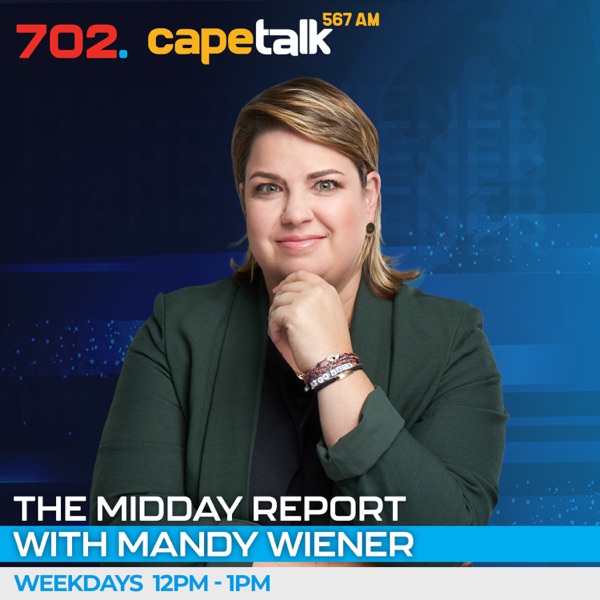
Mandy Wiener explores the complex landscape of South African political negotiations, focusing on Action SA's transparent approach to coalition building and potential mayoral candidates in Johannesburg and Tshwane. The episode also examines the ANC's strategy for managing hung councils and the legal tensions between the EFF and Helen Zille. Additionally, the program provides updates on Operation Vulindlela's progress in energy and logistics reforms, the professionalization of municipal administration, and new online asylum seeker application processes. The episode concludes with an analysis of recent labor statistics, noting a rise in the national unemployment rate to 33.7%.
Statistician General Resenga Maloleke discusses the official unemployment figures for the third quarter of 2026. The report highlights a slight rise in the official unemployment rate to 33.7%, noting that while both the number of employed and unemployed persons increased, the new entrants to the labor force came from categories outside the active labor force, such as students and homemakers. The discussion provides a detailed breakdown of job gains in sectors like finance, manufacturing, and mining, contrasted against significant losses in private households and construction. Maloleke also explains complex indicators of labor underutilization, including time-related unemployment and the potential labor force, which contribute to a composite measure of labor underutilization reaching 46.3%.
An interview with Rudy Dix, Head of Project Management in the Office of the Presidency, providing a Q2 update on Operation Wulandlela. The discussion covers the progress of municipal reforms, energy, and logistics within South Africa's economic reform partnership between National Treasury and the Presidency. The episode details critical developments such as the separation of the National Port Authority from Transnet to allow for private sector involvement, updates on the energy sector including new generator registrations and Eskom restructuring, and the implementation of a white paper on local government. Key themes include the professionalization of municipal administration, ring-fencing revenue in metro trading services, and the necessity of separating political leadership from bureaucracy to ensure effective service delivery.